 Australia site →
 Global tax-deductible giving →
photos by Lameck Ododo
As the COVID-19 pandemic has threatened Africa, Kenya was among the countries that responded quickly and decisively. They put a partial lockdown in place, restricting travel, movement, and gatherings, and they closed schools and businesses.
This meant that a prime focus of Helen Keller Intl’s work in Kenya, the biyearly immunity-boosting vitamin A campaign for young children, planned for May, had to be delayed.
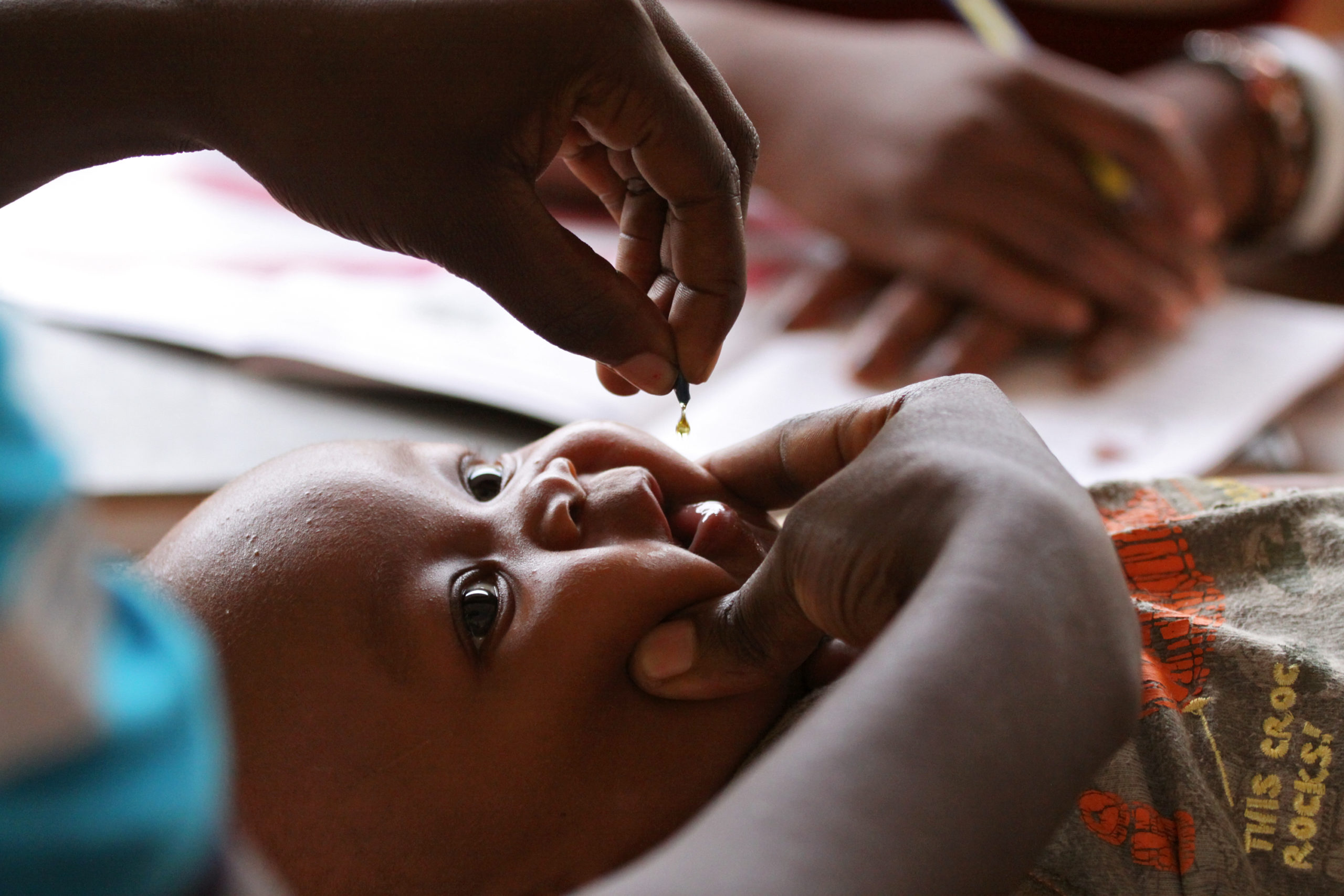
Vitamin A is proven to reduce child mortality by helping to build healthy immune systems. In places where diets tend to be deficient in vitamin A, twice-yearly supplements for children aged six months to five years can be the difference between life and death. While we could pause the vitamin A campaign, we knew that we could not pause the diseases—like diarrhea and other common infections—that a robust immune system normally fights off, but which can cause serious illness, disability, or death in vulnerable children.
According to David Doledec, manager of Helen Keller’s vitamin A supplementation program and Country Director for Kenya, “If you increase the time between vitamin A distributions by more than six months, the positive effects start disappearing. The longer we wait, the greater the frightening risk of serious illness.”
For the health and safety of vulnerable children, it was imperative that Helen Keller, which works closely with the government of Kenya to provide vitamin A supplementation, adapt to restart as quickly as possible.
Charting a Course for Children’s Health
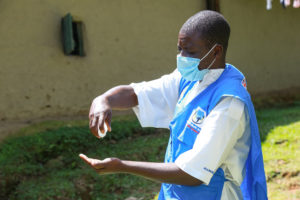
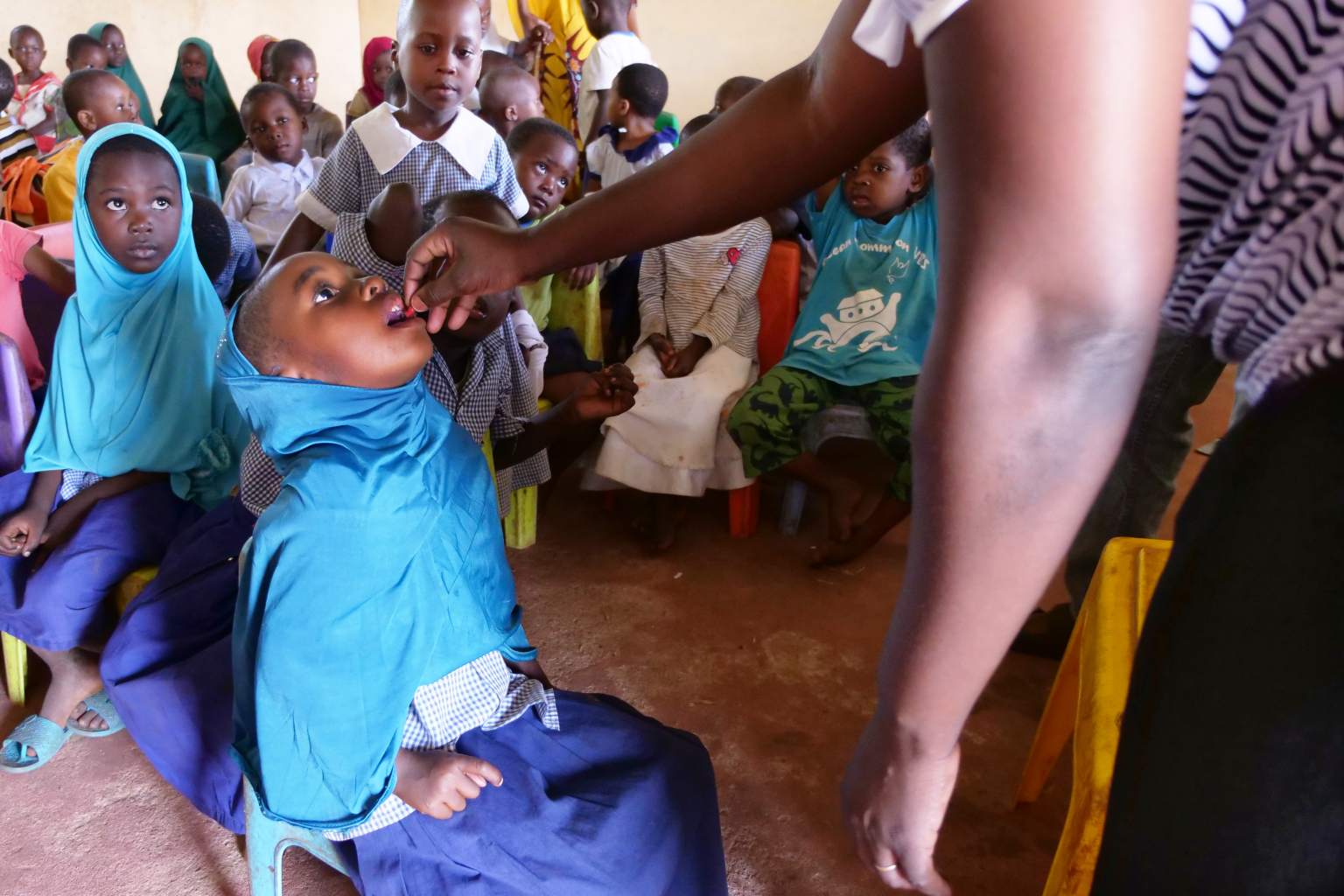
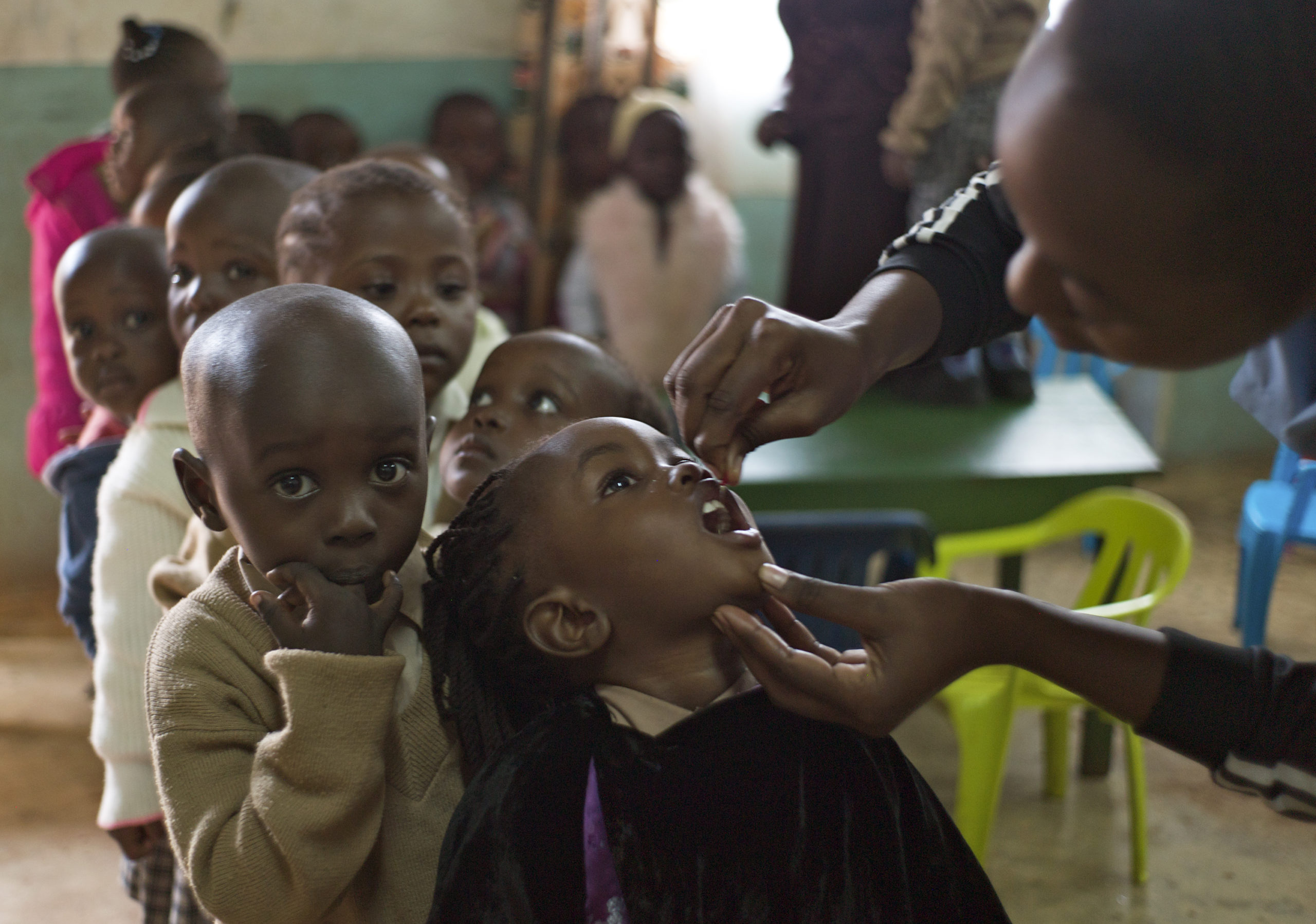
Our primary methodology for delivering vitamin A supplements to children in Kenya is through campaigns. These are special events during which health workers or volunteers deliver vitamin A door-to-door or at community gathering events during a specific period of time.
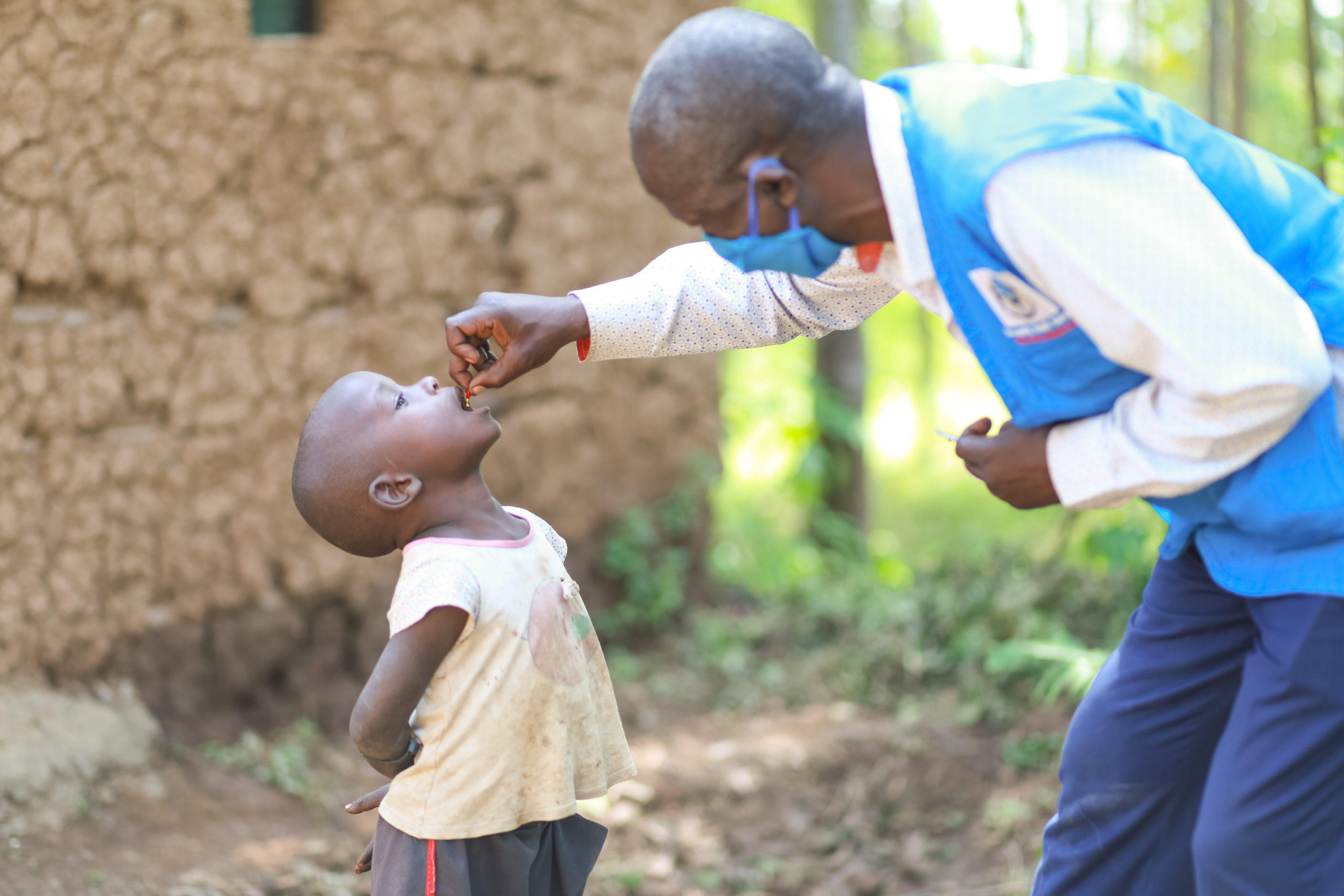
Helen Keller worked as part of the Global Alliance for Vitamin A consortium, known as GAVA, to develop guidelines for safe delivery of vitamin A during the pandemic. The guidelines were informed by the World Health Organization and the government of Kenya’s recommendations for social distancing and other methods for controlling and preventing the spread of COVID-19. Health workers and volunteers must strictly limit their proximity to children when delivering vitamin A. They may approach each child only for long enough to drop the liquid vitamin A dose into a child’s mouth. Then they must step back a meter and a half (roughly five feet). They may no longer enter families’ homes, and they must wear masks at all times. They also use hand sanitizer before and after each distribution. There is a long list of additional requirements for health agent training, hand hygiene, and safe behavior in health centers.
Helen Keller Intl has also developed more detailed internal guidelines that go even further on a country-by-country basis. These guidelines have allowed us to organize “catch-up” campaigns that delivered vitamin A to children who had to forego this life-saving, immunity-building supplement earlier in the pandemic. Catch-up campaigns have reached millions of children, not only in Kenya, but also in Burkina Faso, Cote d’Ivoire, Guinea, Niger, and Nigeria. In these countries, the pandemic has been sufficiently controlled to allow restrictions to be loosened and mass supplementation to return.
Restarting Life-Saving Services for Children
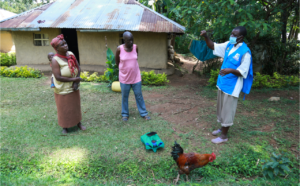
So, how did it go in Kenya? In June, after a one—month postponement, community health volunteers got back to work administering vitamin A to children. In partnership with county governments, we not only returned to distributing vitamin A supplements, but also distributed deworming tablets – which kill intestinal parasites that can hinder micronutrient absorption. We are very grateful to Three Graces Foundation and other supporters from around the world whose gifts have allowed us to swing into action as soon as it was safe enough.
Our methods have changed in the time of coronavirus. Volunteers have gone door-to-door asking parents to come outside with their children. They have explained why they were wearing masks and using hand sanitizer. Their actions have helped sensitize people on the dangers of COVID-19 and precautions they, themselves, can take to protect their families. After they receive parents’ permission, volunteers administer vitamin A drops and deworming tablets to the children.
Though more complicated than usual, these new processes have gone smoothly, and parents have been overall very pleased to welcome community health volunteers. Lucy Juma is a resident of Bungoma, a bustling town nestled in the green rolling hills of western Kenya. She said, “I thank my village doctor for bringing my child vitamin A and deworming tablets, which will give her good health, good eyesight, and the well-being of her body.”

Of course, there is no way to predict when the COVID-19 pandemic will come to an end. “We are not expecting to return to normal for a very long time,” David Doledec said. Still, he added, “I am optimistic that we are creating a new normal.” The restarting of vitamin A supplementation is a promising sign that despite being in the midst of the world’s worst health crisis, children will survive and build strong immune systems that will enable them to grow up healthy and strong.
You can read more about Helen Keller International’s general vitamin A supplementation program here, and support them here.