Our recommended charities are carefully selected through our rigorous research and evaluation to ensure your donation supports only highly effective, evidence-backed interventions with maximum impact.
Filter by
Cause areaAll
Tax deductible statusAll
Where they operateAll
Donations are tax-deductible in the country selected.
Against Malaria Foundation works to prevent the spread of malaria by distributing long-lasting, insecticide-treated mosquito nets to susceptible populations in poor countries.
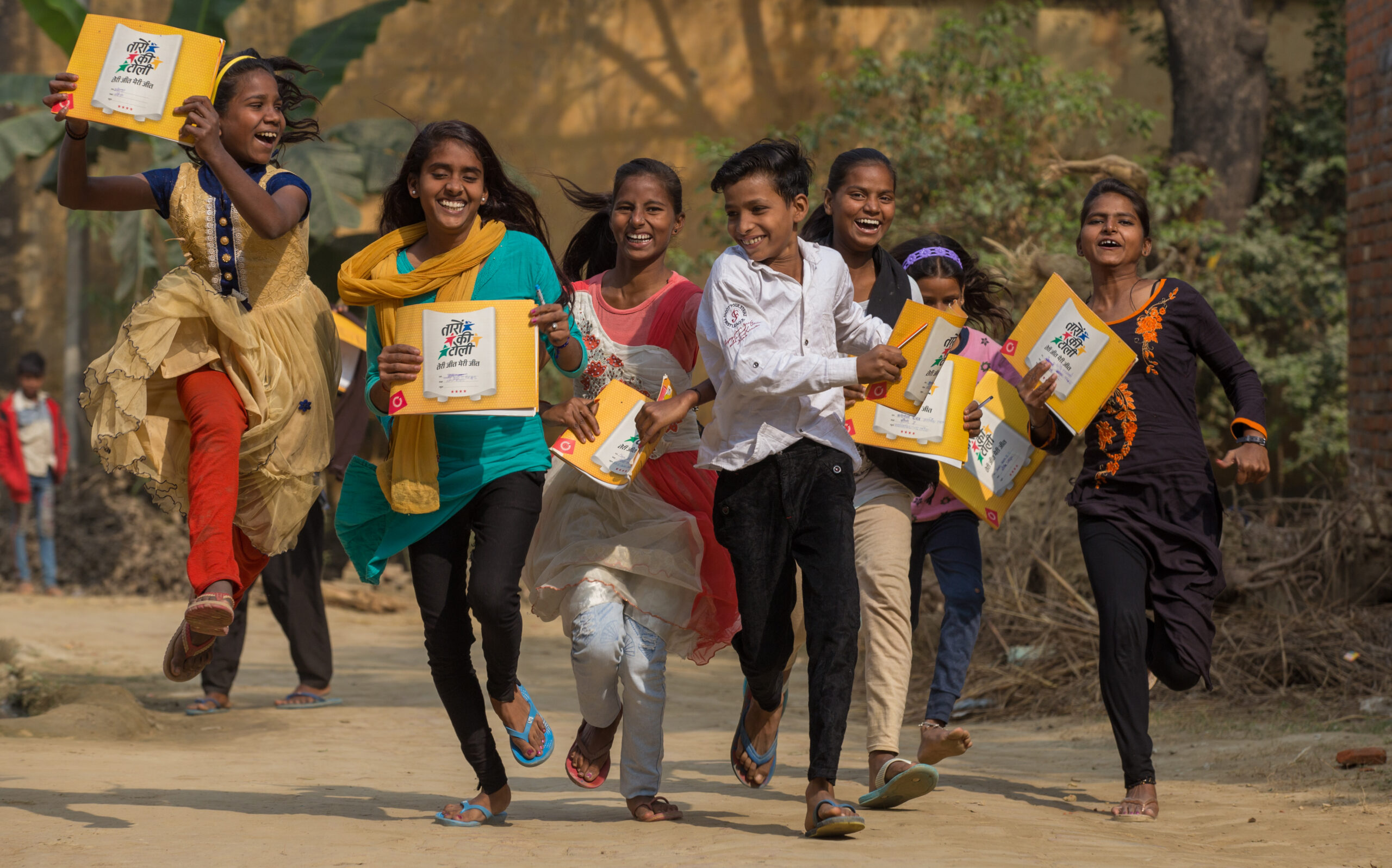
Breakthrough works on culture-based change in India, focusing their programs on girls and boys aged 11 to 24. They partner with the government and help redesign school curricula to include material on gendered violence, as well as running mass media campaigns to reach a large audience.
Building Tomorrow partners with rural communities in Uganda and Rwanda to combat learning poverty through its Roots to Rise program, deploying local Community Education Teams trained in evidence-based pedagogy to help over 400,000 children annually achieve foundational literacy and numeracy proficiency.
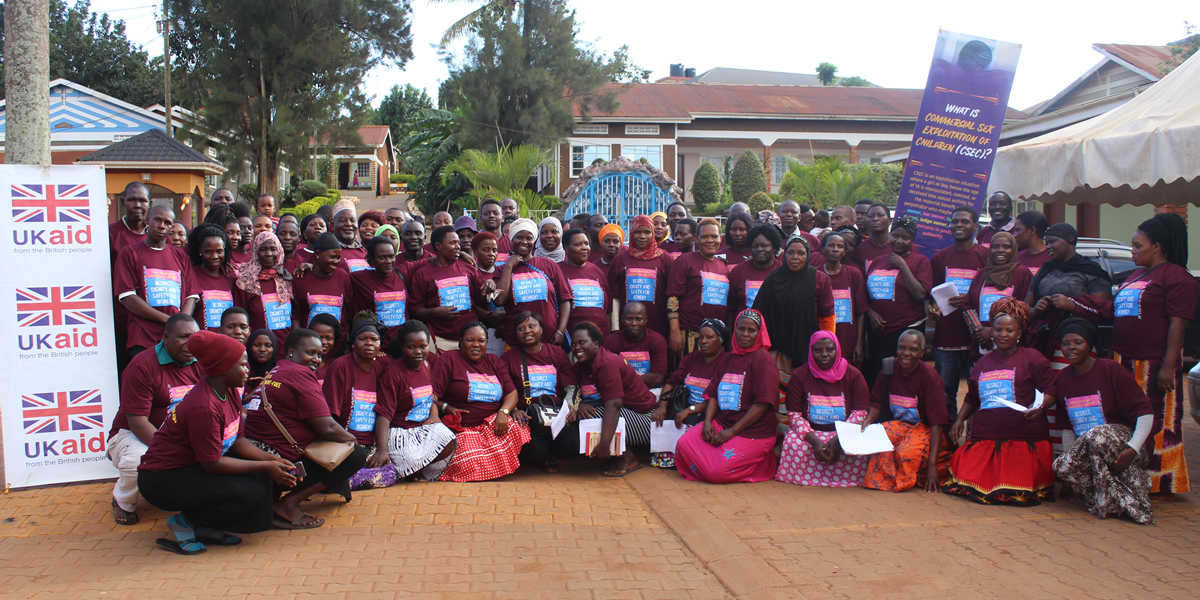
CEDOVIP is a locally-run, Uganda-based nonprofit that establishes and helps run community-led programs focused on reducing violence throughout Kampala and northern Uganda, with ambitious plans to scale their work throughout the rest of the country.
Development Media International runs large-scale media campaigns in low-income countries to create informative and engaging programming that focuses on maternal and child health, nutrition, hygiene and sanitation, sexual reproductive health, and early childhood development.
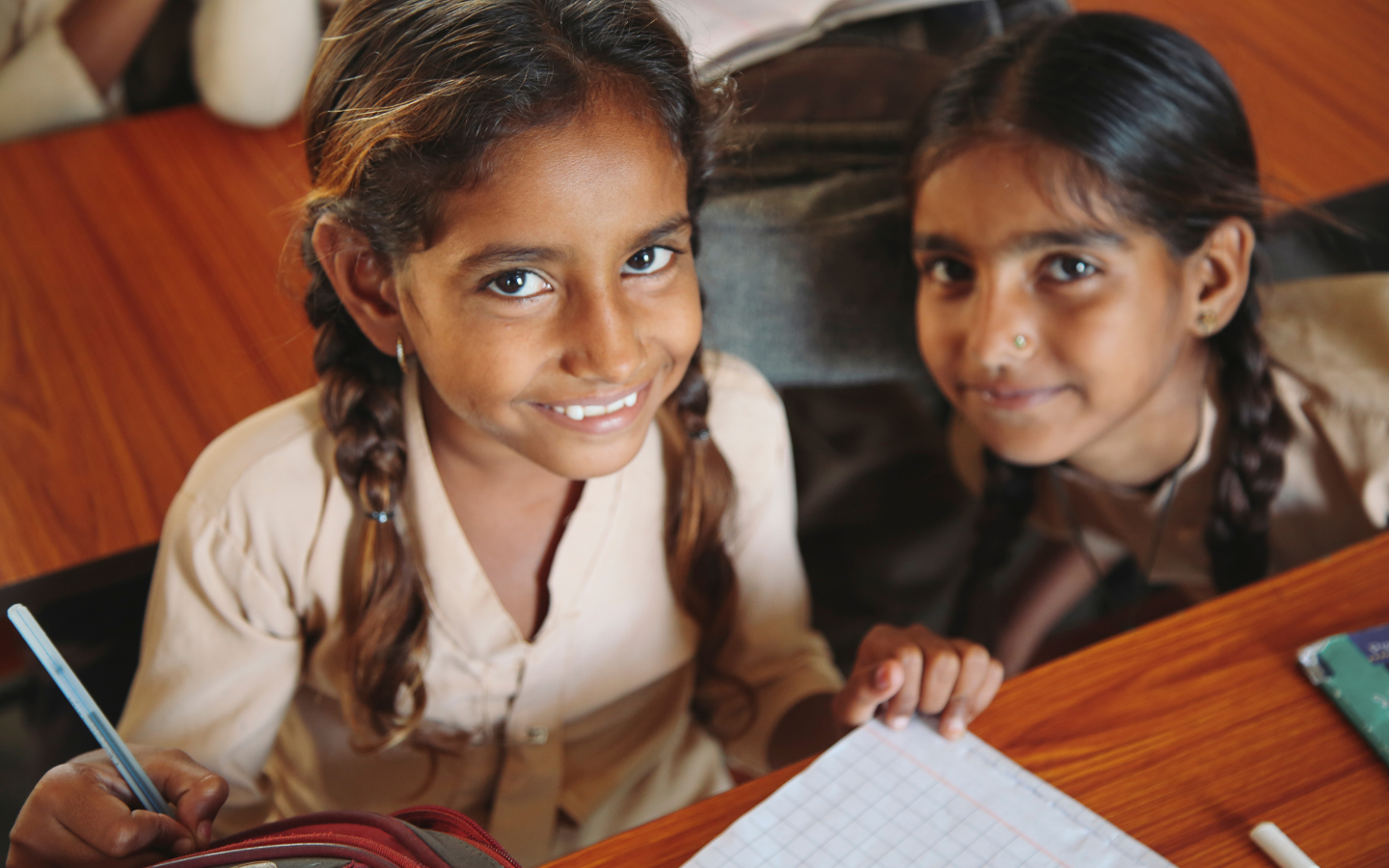
Educate Girls aims to provide equitable access to education for all girls in India. Its primary beneficiaries are out-of-school girls in rural communities. They strive to boost school enrollment and learning with local volunteers who mobilize parents and communities and by delivering supplementary remedial learning curriculum.
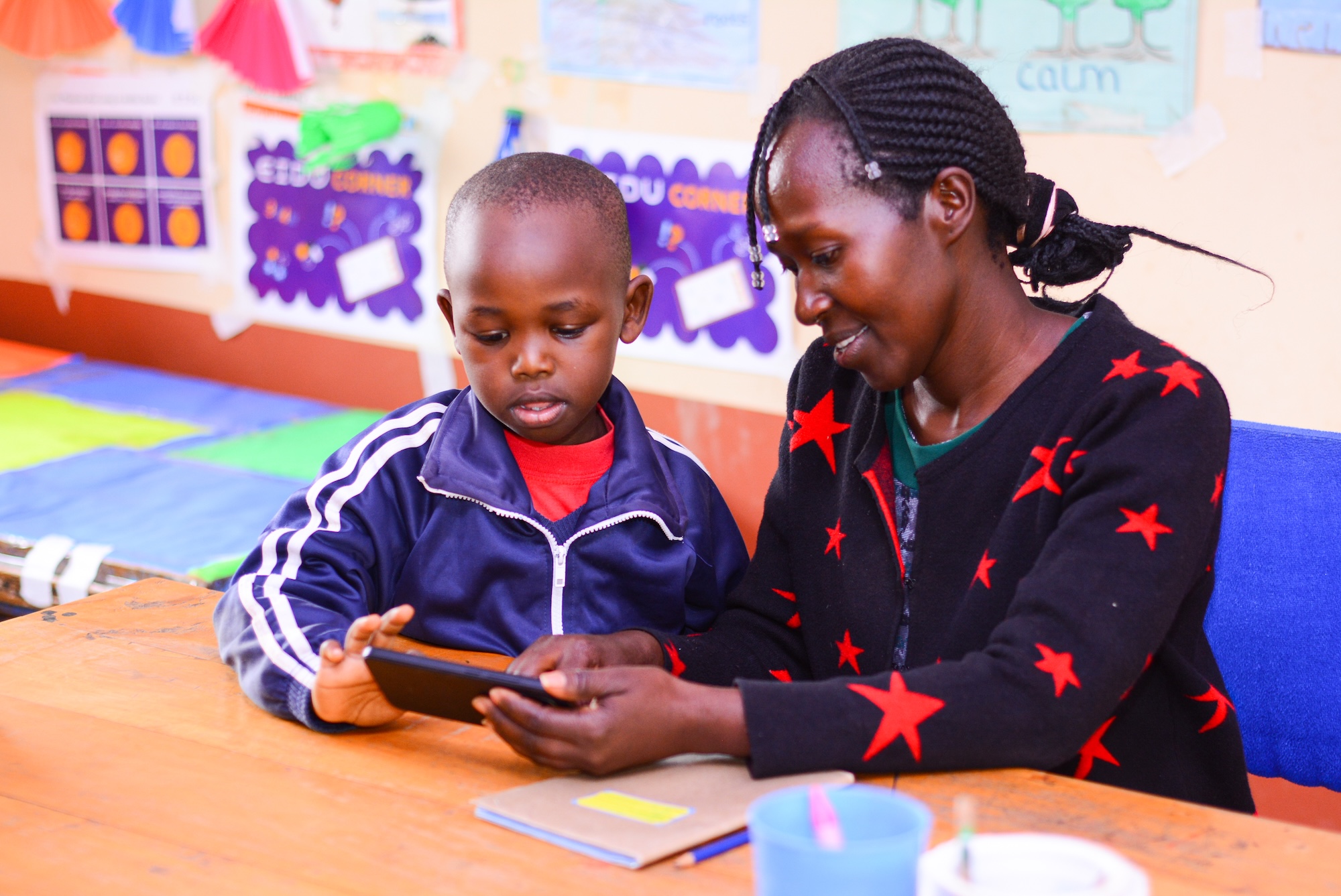
EIDU delivers digital personalized learning to children in public primary schools across Kenya, Nigeria, with initial pilots in Rwanda and Pakistan, equipping classrooms with one to two shared smartphones loaded with an adaptive, evidence-based curriculum that works without internet access. Children engage in short daily 20-minute practice sessions covering foundational literacy and numeracy, allowing EIDU to operate at scale and reach hundreds of thousands of children at a highly cost-effective rate.
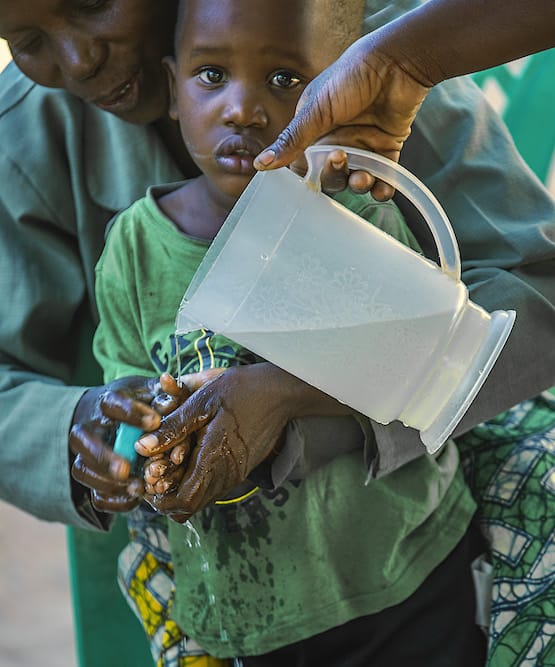
Evidence Action scales low-cost health interventions that improve the wellbeing of hundreds of millions of people in Africa and Asia. The organization currently has four programs: Safe Water Now, Deworm the World, Equal Vitamin Access, and Syphilis-Free Start. Evidence Action’s Accelerator drives new program development, refining high-potential and cost-effective interventions.
Fistula Foundation is the global leader in treating obstetric fistula, a devastating childbirth injury that leaves women incontinent and often humiliated and shunned by their communities. In addition to covering direct surgery costs, Fistula Foundation also supports surgeon training, facilities equipment, grassroots community outreach, and holistic post-surgery reintegration.
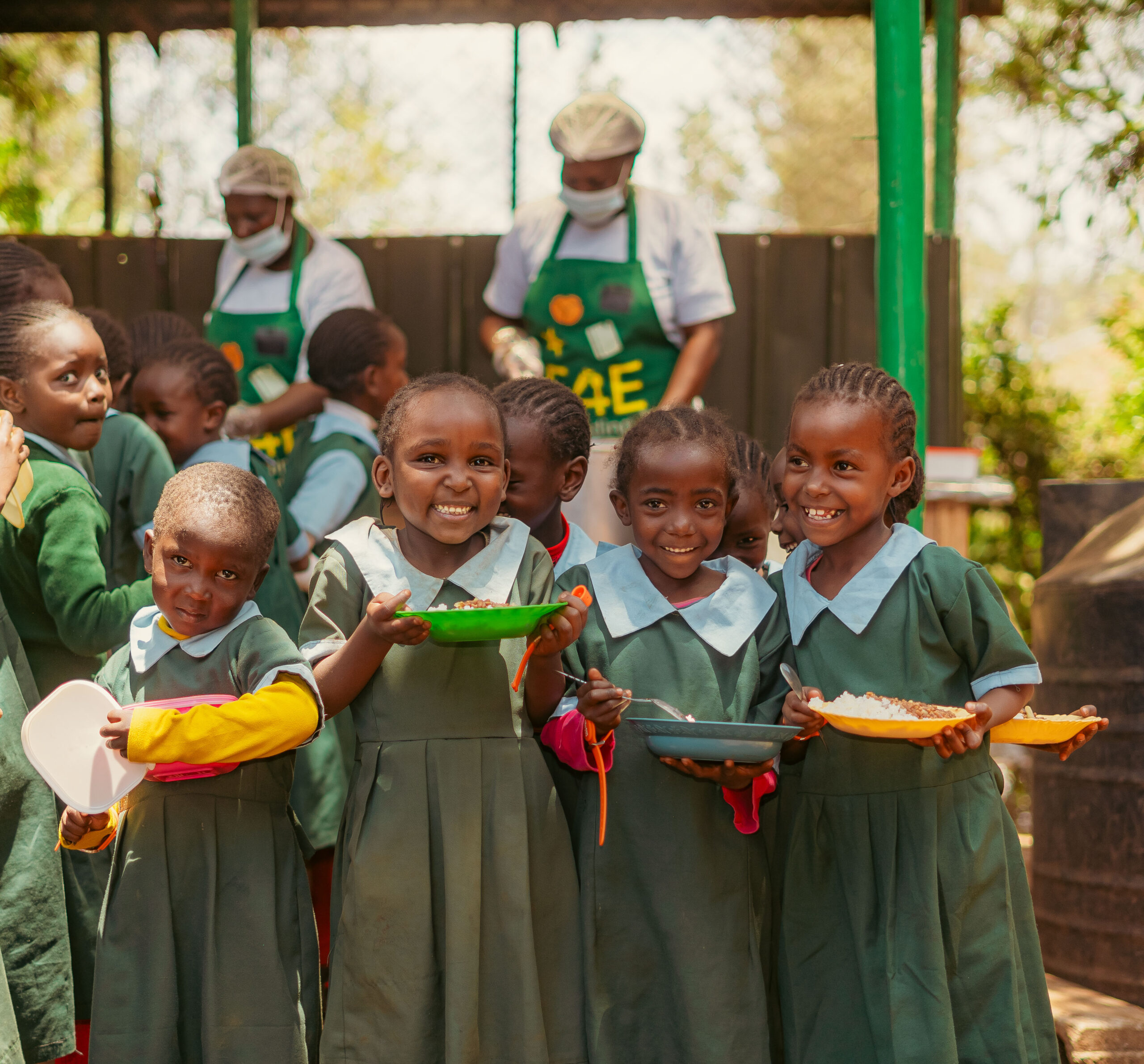
Food4Education (F4E) is transforming the landscape of school feeding in Kenya through innovation, local ownership, and a sustainable co-investment model. F4E partners with local governments and communities to provide nutritious, low-cost meals to children in public schools, ensuring that no child has to learn on an empty stomach.
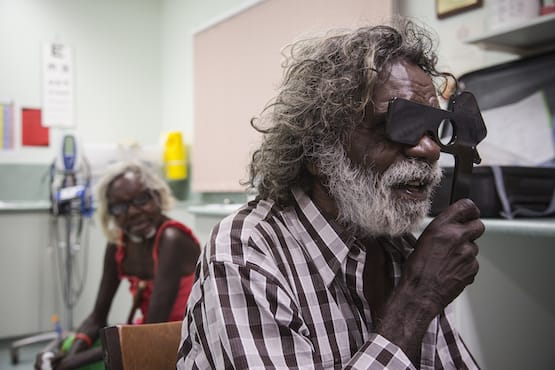
The Fred Hollows Foundation has restored sight to more than 2.5 million people. Their work includes supporting programs to deliver more than 200 million doses of antibiotics for trachoma, working with communities to improve their own eye health through life-changing surgeries and treatments, training doctors and health workers, and pushing for change at all levels.
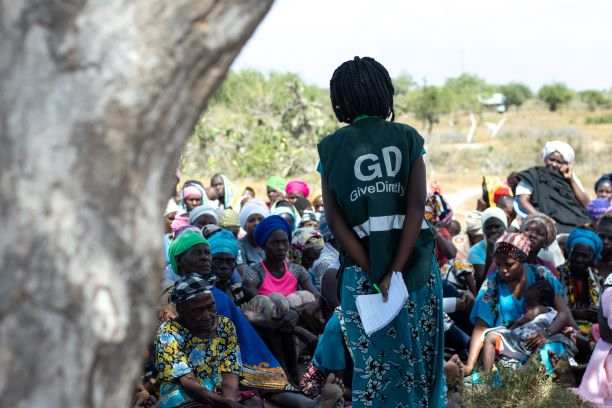
GiveDirectly provides unconditional cash transfers using cellphone technology to some of the world’s poorest people, as well as refugees, urban youth, and disaster victims. They also are currently running a historic Universal Basic Income initiative, delivering a basic income to 20,000+ people in Kenya in a twelve-year study.
Helen Keller Intl’s Vitamin A Supplementation programs provide critical nutrition to children around the world at risk for vitamin A deficiency, a condition that can lead to blindness and death.
The Iodine Global Network (IGN) is the leading global organization supporting the elimination of iodine deficiency, the most common cause of brain damage in newborns. IGN supports healthy iodine nutrition through a safe, effective, and affordable solution: iodized salt.
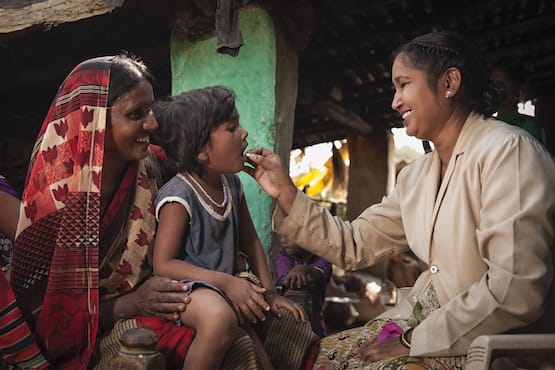
Living Goods supports and trains local community health workers, the majority of whom are women, to deliver lifesaving medicines, health education, diagnoses, and health products to millions of people who need them in Burkina Faso, Kenya, and Uganda. They focus especially on preventing and treating the leading causes of child deaths.
Luminos Fund designs and delivers its Luminos Method, a structured pedagogy program, across Ethiopia, Ghana, Lebanon, and Liberia combining phonics-based curricula and intensive teacher training with a government adoption model to give out-of-school and marginalized children the foundational literacy and numeracy skills they need to complete primary school.
Malaria Consortium delivers programs that protect the poorest and most marginalized children in Africa and Asia from a range of deadly diseases, including malaria and pneumonia. The Seasonal Malaria Chemoprevention (SMC) project is an extremely cost-effective and evidence-based approach to protect children under 5 from malaria.
New Incentives educates caregivers about the importance of vaccinating children and disburses cash incentives that are conditional on infants receiving four life-saving vaccines, provided through government clinics free of charge. New Incentives also works with government partners to improve vaccine supply.
One Acre Fund helps smallholder African farmers boost productivity by delivering a bundle of services directly to their doorsteps, including start-up financing, high-quality farming inputs, agricultural training, and market facilitation to help maximize profits. These tools help farmers increase their yield per acre, grow the value of farm profits and assets, and promote long-term resilience to weather and economic shocks.
RTV partners with last mile communities in Sub-Saharan Africa to address ultra-poverty with a holistic, data-informed, and sustainable model that increases household income and earnings to over $2.00/day within 24 months.
Sanku - Project Healthy Children's mission is to provide children everywhere with the simple, inexpensive, basic nutritional support they require to survive and thrive. Sanku - Project Healthy Children focuses on achieving wide micronutrient coverage for at risk communities in Africa.
Seva is a global eye care nonprofit whose mission is to transform lives and strengthen communities by restoring sight and preventing blindness. Seva works with underserved communities in more than 20 countries across Asia, Africa, and the Americas.
TaRL Africa works with governments to embed the Teaching at the Right Level approach directly into public education systems, reaching over 13.4 million children in collaboration with our partners across 20 countries. In Côte d'Ivoire, Zambia, and Nigeria, TaRL has been institutionalized at scale — including nationwide coverage of primary schools in Côte d'Ivoire.
Unlimit Health works with Ministries of Health and Education in sub-Saharan African countries to support programs controlling and eliminating two types of parasitic worm infections: schistosomiasis and soil-transmitted helminthiasis. The majority of programs treat school-aged children, but can also include at risk adults.
Village Enterprise equips the extreme poor in Africa with resources to start sustainable businesses through a four-part program: entrepreneurship training, a cash grant, business mentoring, and a savings group. Village Enterprise also has a sustained focus on increasing gender equity. In 2021, 83% of first-time entrepreneurs in the program were women.
Youth Impact partners with governments across Botswana, Namibia, South Africa, India, and the Philippines to embed targeted educational instruction (e.g., Teaching at the Right Level) into public primary schools, training teachers to deliver structured, ability-grouped literacy and numeracy instruction within a dedicated daily remediation slot, reaching hundreds of thousands of children at a highly cost-effective rate.
No charity matches every filter. Try widening one of them.
Our Alumni Charities
As our evaluation framework evolves to reflect the most pressing and evidence-based giving opportunities, some previously recommended charities may no longer align with our current criteria. While they’re no longer on our active list, these Alumni Charities have made meaningful contributions to reducing extreme poverty and may still align with your personal giving values. You can continue to support them through our platform.
 Australia site →
 Global tax-deductible giving →