 Australia site →
 Global tax-deductible giving →

It seems nearly everyone is discussing income inequality in the United States. The subject is so important in contemporary political debates that President Obama made it the central focus of his 2014 State of the Union address. And it is undeniable that the richest are getting richer, while everyone else’s wages appear to be stagnating.
There are many reasons to worry about inequality of this scale. A growing level of inequality inevitably strains relations between the different classes of society. Some also argue that a large concentration of wealth resting in the hands of such a small minority of the population is detrimental to the economy as a whole. Worst of all, those who are making the biggest gains are those who need them the least, and the county’s poorest citizens are unnecessarily deprived of resources that could greatly improve their lives.
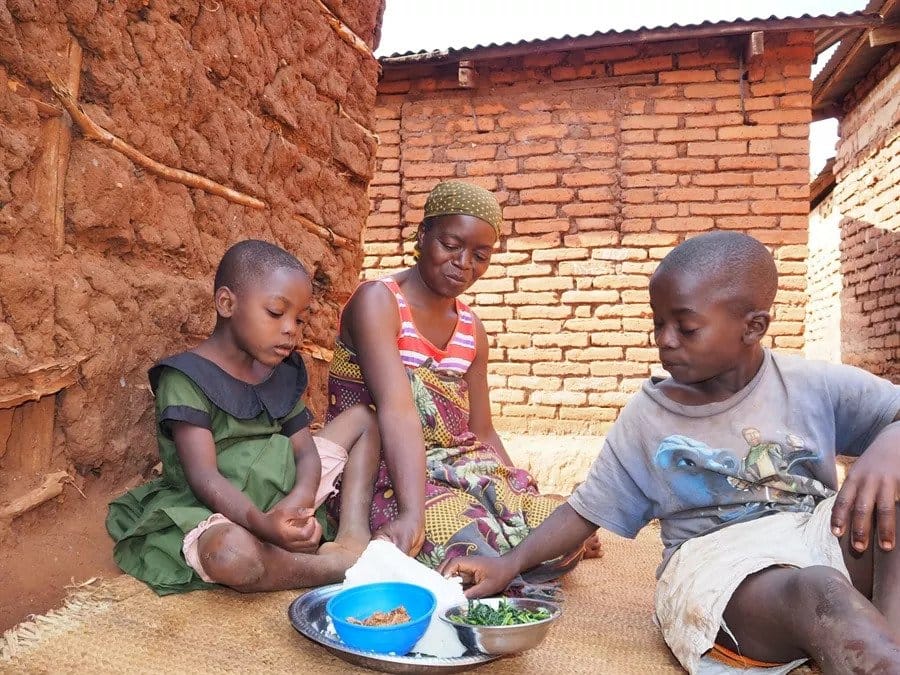
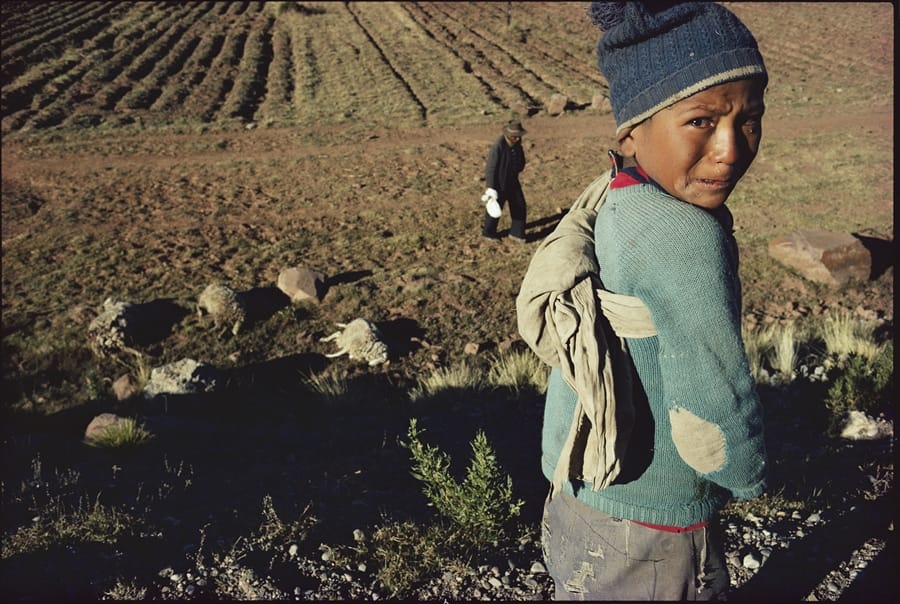
What commenters on this topic usually neglect to mention, however, is that the most significant divisions exist not within the United States, but between the developed world and the world's poorest countries. It is true that, in our economic recovery, the greatest gains have gone to the top 1%. But consider this: according to World Bank economist Branko Milanovik, if you make more than $34,000 a year, you are in the top 1% of income earners of the world. This might seem shocking, but remember that an estimated 1.4 billion people live on less than $1.25 a day.
On the face of it, this should make us think that the problem of global inequality is much more pressing than the problem of inequality in the US. There are many more impoverished people worldwide than there are in the US, and on average, the global poor are much worse off than the poorest Americans.
So if there’s a problem with the 1% in the US receiving such a disproportionate share of the nation’s resources, then there’s an even bigger problem with the American citizens controlling such a disproportionate share of the world’s resources. Luckily, there are ways to be a part of the solution. We can, for example, donate some of our money directly to impoverished Africans through GiveDirectly, or choose one of the other effective charities recommended by The Life You Can Save.
In doing so, we can help make the world a more equal place, more sensitive to the needs of others. And that’s a world we should all want to live in.