

The problem: obstetric fistula
Obstetric fistula is a devastating childbirth injury. It most commonly occurs in poor, rural areas in Africa and Asia where women have limited access to emergency obstetric care, such as a C-section. When a woman experiences a prolonged, obstructed labor under these conditions, the constant pressure of the baby’s head on the pelvis restricts blood flow to the soft tissue between the mother’s vagina and her bladder or rectum, leaving holes known as “fistulae.” These holes cause incontinence.
Unable to control her urine and/or feces, a woman can also suffer from chronic infections and painful sores. What’s more, with too little community understanding of fistula and its causes, a woman can be blamed for her condition and shunned by her neighbors and family.
Fistula Foundation also treats severe perineal tears—a childbirth injury similar to fistula that leaves a woman incontinent of feces.
The solution: cost-effective, restorative surgery
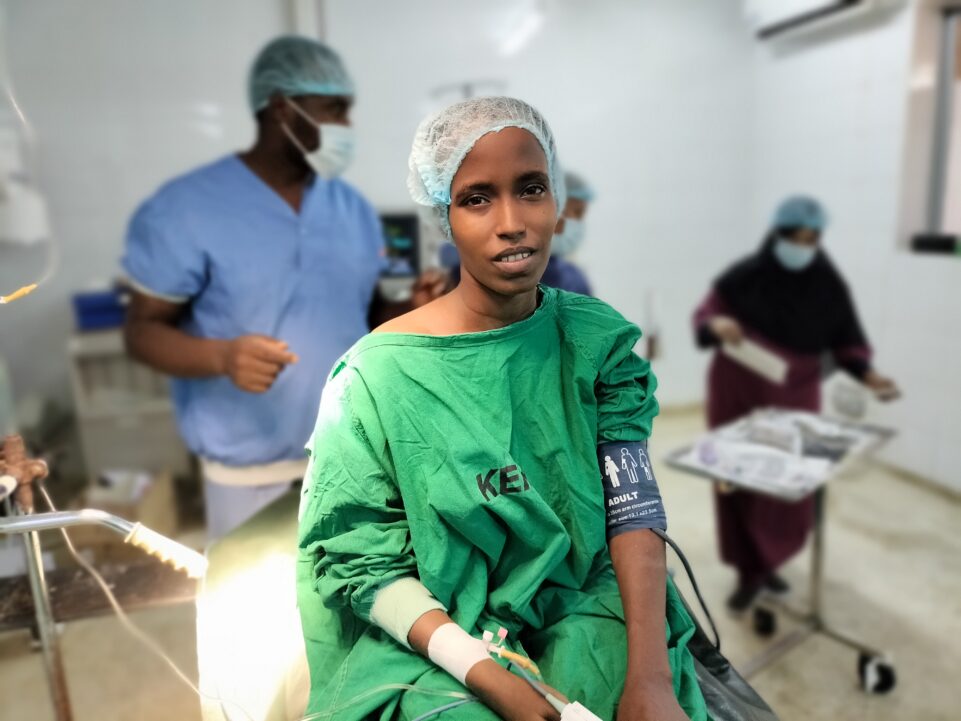
An obstetric fistula can only be treated with corrective surgery. If the operation is performed by a skilled surgeon, a woman with fistula can very often return to a normal life, with her continence and hope restored. However, due to stigma, lack of awareness, poverty, and inadequate healthcare systems, far too many women continue to go without the treatment they need.
Aggregated data from Fistula Foundation’s current partners shows it costs $633 to provide a woman in Africa or Asia with life-changing fistula repair surgery and pre- and post-operative care services—less than a single night’s stay in most hospitals in the United States. [2] Actual surgical costs vary depending on the local economies and healthcare infrastructure where partners work. The costs for more complicated surgeries can be greater. The global success rate for fistula repair surgery is approximately 86%. [3]
The estimated total cost for Fistula Foundation to treat one woman is $1,189. This includes all direct program expenses—surgery, patient identification, transportation, reintegration support, community outreach, healthcare provider training, and facility upgrades—as well as organizational administrative costs.
Fistula most commonly affects women in their twenties who live in countries where the average lifespan is approximately 65 years. A one-time surgical intervention, therefore, can restore 40+ years of health. Peer-reviewed research confirms that surgery is a highly effective intervention for curing women’s incontinence, and it has a lasting impact on women’s lives. Research detailing Fistula Foundation’s program in Kenya found that more than 85% of women treated there reported being able to fully socialize, work, and function normally one year after surgery—compared with 18% who reported normal functioning before surgery. [4]
Fistula Foundation invests in four key areas to strengthen health systems and enable quality care at scale. Those investment areas include 1) training surgeons and healthcare providers, 2) upgrading surgical facilities, 3) supporting community outreach teams to raise awareness about fistula and connect women to treatment, and 4) supporting women’s reintegration into their communities after surgery. To ensure these efforts are sustainable and scalable, the organization also maintains dedicated fundraising and administrative teams in their headquarters that work to secure the financial resources needed to deliver high-quality surgeries and the effective delivery of support services.
How Fistula Foundation works
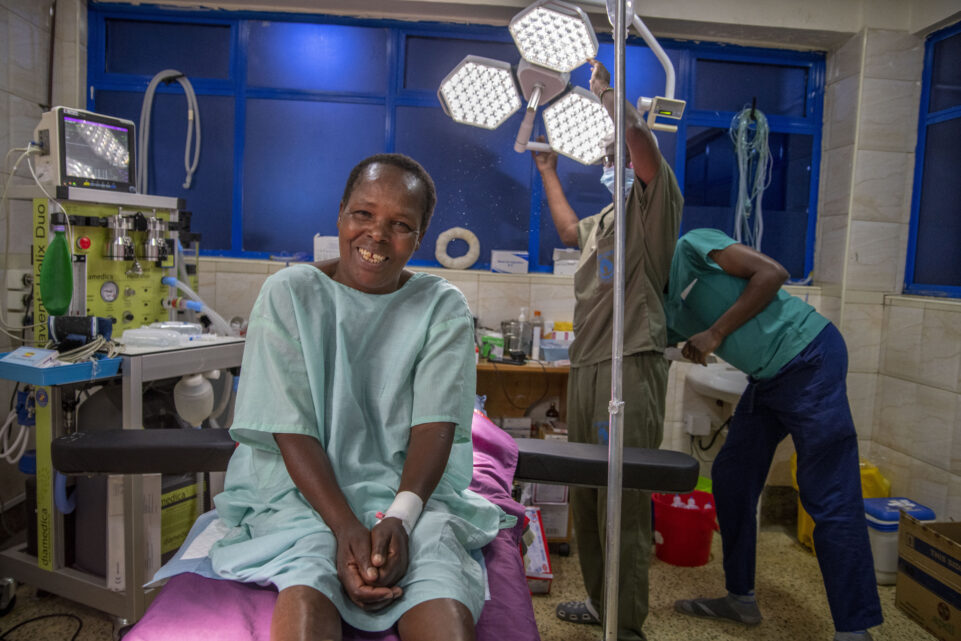
Fistula Foundation is the global leader in treating childbirth injuries, funding more fistula repair surgeries than any other organization in the world, including the US government. Its focused approach on treatment aims to provide as many life-changing repair surgeries as possible. At least 85% of funds raised by Fistula Foundation go directly to supporting programs.
Fistula Foundation’s strategy builds sustainable in-country capacity by covering the cost of surgery, surgeon and healthcare provider training, medical equipment/facilities, and community outreach and post-surgery rehabilitation. Fistula Foundation partners closely with local doctors and nurses who are part of the communities they work within and best understand how to implement effective care.
Fistula Foundation makes grants by invitation only. Potential partners go through a rigorous review process that includes external reference checks of local doctors’ reputations, fistula surgery skills, and certification. Grant recipients receive funds in stages and are required to provide regular, detailed reports. Fistula Foundation also conducts regular site visits, both to build a closer relationship between Fistula Foundation staff and their partners on the ground, as well as to ensure appropriate use of funds.
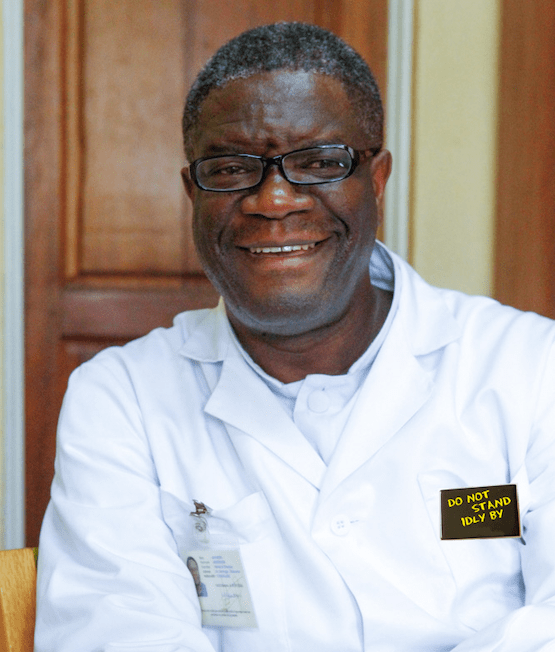
In 2014, Fistula Foundation launched an innovative countrywide treatment network program in Kenya, with the goal to reach all women in the country in need of care. Its integrated network allows surgeons, outreach workers, and hospitals to share resources and information to effectively treat more Kenyan women than ever before. Building on the success in Kenya, the Foundation expanded its Fistula Foundation Treatment Network (FFTN) model to Zambia (2017), the Democratic Republic of Congo (2022), and Tanzania (2023).
Each FFTN aims to connect all women across a country who suffer from childbirth injuries with timely, high-quality surgical care. The Foundation’s ambition is to end women’s wait for care, country by country. The FFTN model connects partners to overcome barriers to treatment and to provide holistic care to women who otherwise could not afford it. Each countrywide treatment network enables a range of services that includes community outreach, training in expert fistula care, and post-surgery rehabilitation for fistula survivors.

