
 Australia site →
 Global tax-deductible giving →
Giving Season 2026
The Most Pressing Problems Within Extreme Poverty
Who they affect, where they are prevalent, and interventions known to work.
The Big Picture
Extreme poverty is many problems at once. Which are the most pressing?
Extreme poverty means going without many basic needs at the same time. They have a compounding effect, each making the others harder to escape. Many of these problems have long been solved in wealthier countries, yet in low- and lower-middle-income ones they still cause suffering and death on a vast scale, much of it preventable. Our work begins by identifying the most pressing problems for which proven, cost-effective solutions already exist.
From 1990 to 2019, extreme poverty fell significantly across the world. The pandemic reversed that progress, pushing about 70 million people into extreme poverty in 2020 alone. Then, in 2025, governments cut aid sharply: total development aid fell by 23.1%, the largest drop ever recorded, with the United States cutting its aid by 57%. Global health aid alone is projected to fall by more than half by 2030.
International development is being reshaped, and the question of where to give matters more than it has in years.
A double shock
Where We Focus, and Why
Before we recommend a charity, we first identify problems that are pressing and solvable.
We start with a definition of poverty that goes beyond income: the Multidimensional Poverty Index (MPI). It measures poverty across health, education and living standards, and our first three areas follow those dimensions: Health, Education and Livelihoods.
Our fourth area, Women and Girls, runs across all three, because women and girls carry a disproportionate share of poverty’s burden in every one of them. They also face problems of their own, such as gender-based violence, child marriage and childbirth injuries.
Extreme poverty isn’t spread evenly across the map either. Its greatest concentration is in Sub-Saharan Africa and South Asia, which is why these two regions are our priority. Together they are home to about 83% of the 1.1 billion people living in acute multidimensional poverty.
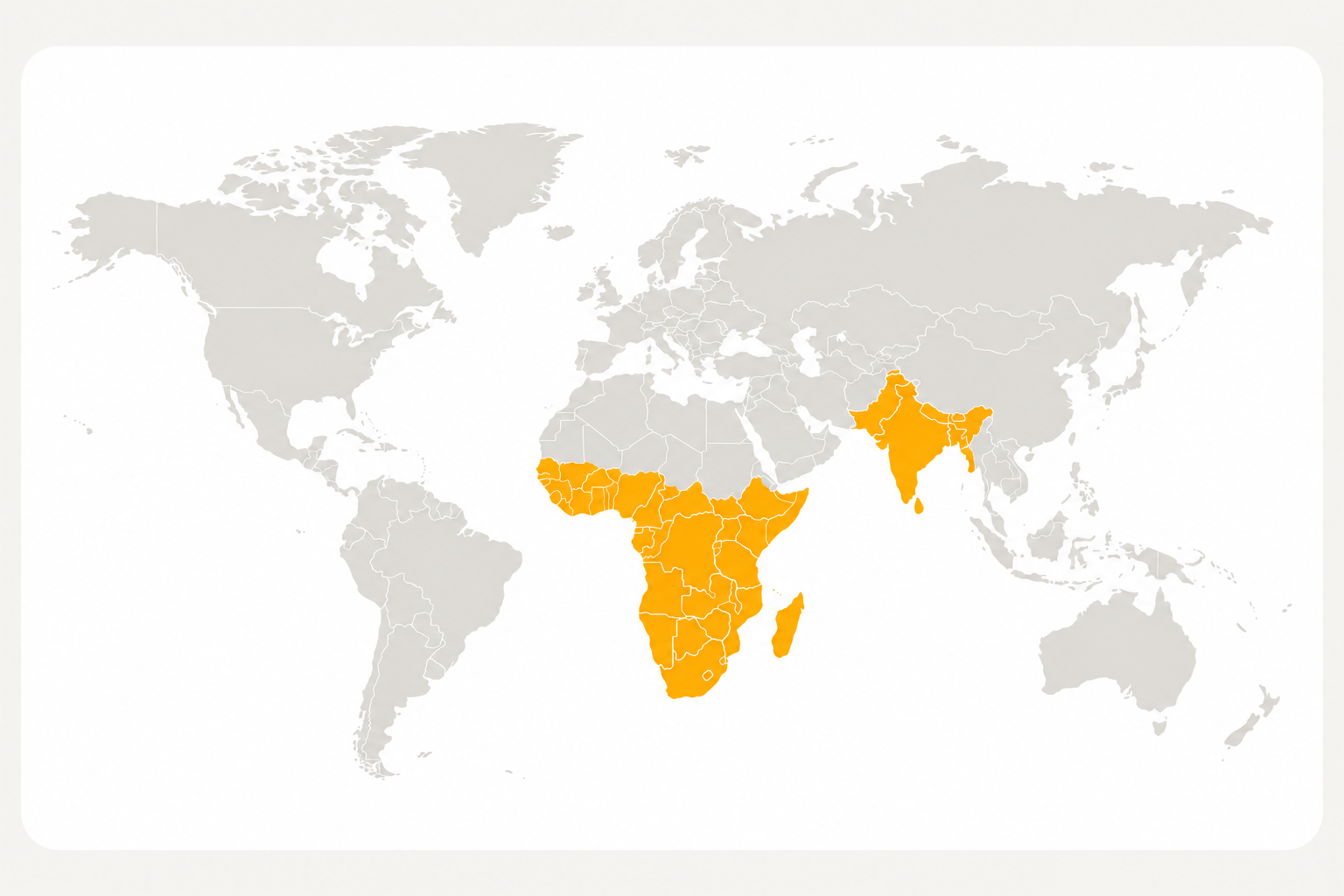
Within these areas, the first step of our evaluation is to find the problems that pass three tests. They mirror the Importance, Tractability and Neglectedness (ITN) framework widely used to prioritize global problems.
Three tests every problem must pass
Scale (importance)
How many people does it affect, and how severely?
We look at problems that reach vast numbers of people and at those that cause extreme suffering.
Solvability (tractability)
Do we know how to solve it?
We focus on problems where solutions backed by rigorous evidence already exist.
Additionality (neglectedness)
Is it underfunded for its size?
We focus on serious problems that receive far less funding than they need, so your gift adds rather than duplicates.
Identifying the problems is only the first step. Next, we look for the interventions that address them most effectively, giving the most weight to strong evidence of impact and cost-effectiveness. Finally, we look for organizations that can deliver those interventions well and at scale, while respecting the dignity of the people they serve.
This guide focuses on the problems and on examples of interventions proven to address them, not on the organizations that deliver them. It doesn’t try to cover every problem faced by people living in extreme poverty. In each area, it focuses on the one to three that, based on the latest data and evidence, we consider most pressing and that best meet all three tests.
Health
In the poorest countries, illnesses we know how to prevent or treat still cut millions of lives short
In low-income countries, more than half of all health loss comes from infections, complications around pregnancy and birth, and malnutrition. Lower-middle-income countries carry a double burden, as chronic diseases rise alongside these.
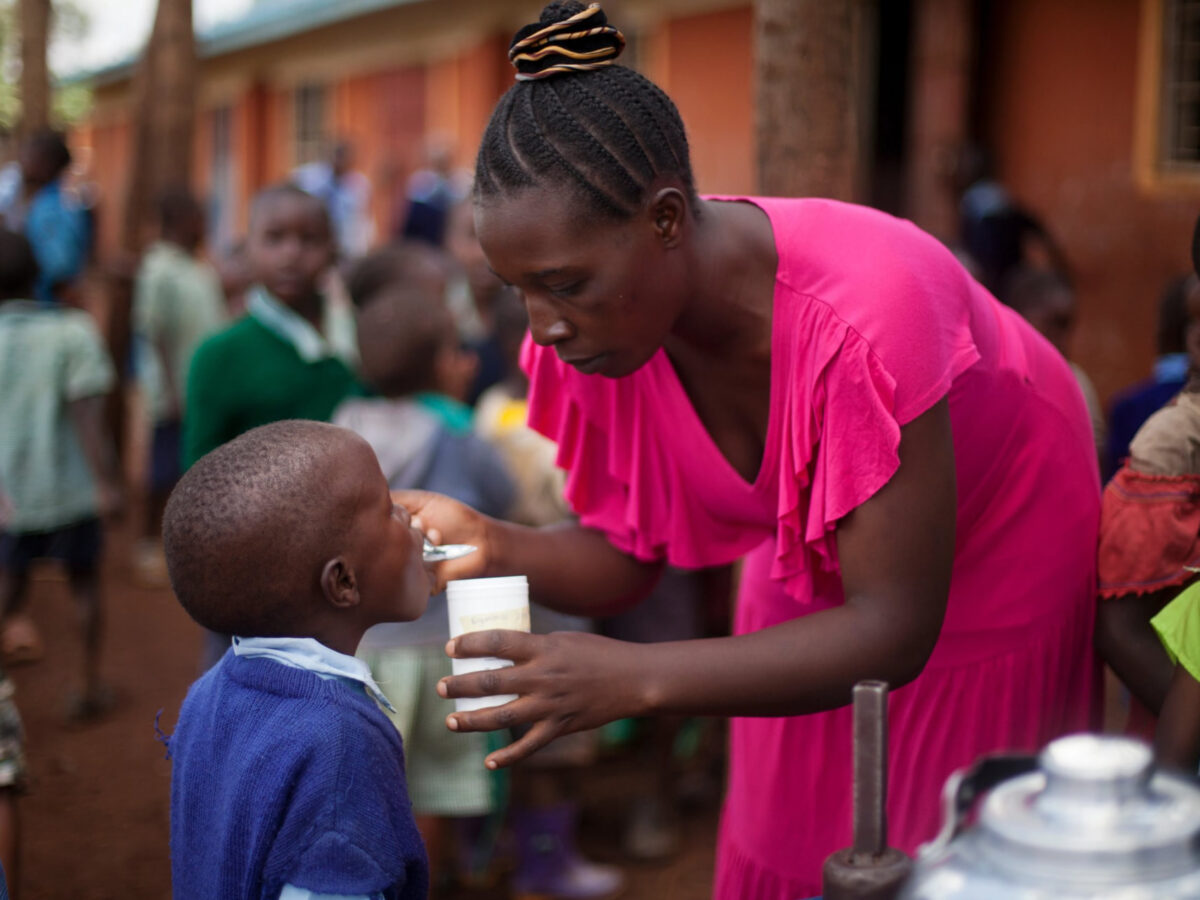
Two health problems rank among the most pressing:
Birth and early childhood remain the most dangerous years of life
The reality:
Nearly 5 million children die before age five every year, many from causes that vaccination, basic medicine and newborn care can prevent. Newborn disorders are the leading cause of health loss in low-income countries.
The funding gap:
Aid for maternal and child health could fall by as much as 92%, with projections of 4.5 million additional deaths among children under five by 2030. Private donors gave about $692 million in 2025, around 19% of their health funding.
Examples of what’s proven to work:
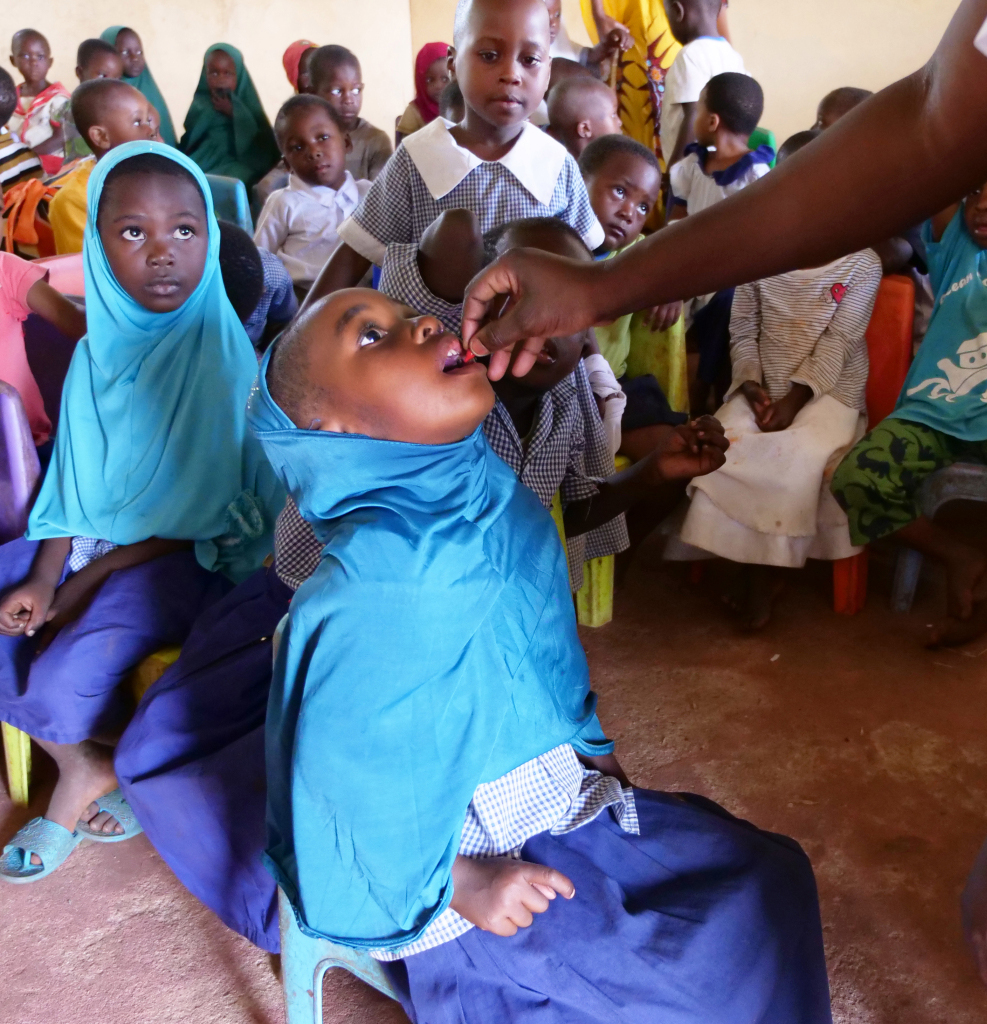
Four common infections cause about 2 in 5 deaths of children under five
The reality:
Respiratory infections, diarrheal diseases, malaria and meningitis kill an estimated 2.17 million of the 5 million children under five who die each year.
The funding gap:
Malaria programs had $3.9 billion in 2024, less than half of the $9.3 billion needed, and tuberculosis programs had $5.9 billion, just over a quarter of their target. Aid for neglected tropical diseases (NTDs) fell 41% between 2018 and 2023. Private donors gave only about $86 million to tuberculosis, $47.7 million to malaria and $42.6 million to NTDs in 2025.
Examples of what’s proven to work:
Malaria (2024)
Tuberculosis
How you can help
Health Fund
The Health Fund supports our recommended charities working on the problems above and others across health in extreme poverty, such as HIV/AIDS and malnutrition. One gift is shared across the whole portfolio.
Education
Learning shapes a child's whole future
Learning to read and do basic math shapes the rest of a child’s life: their future earnings, their health and the choices open to them. In low-income countries, most children never get that foundation.
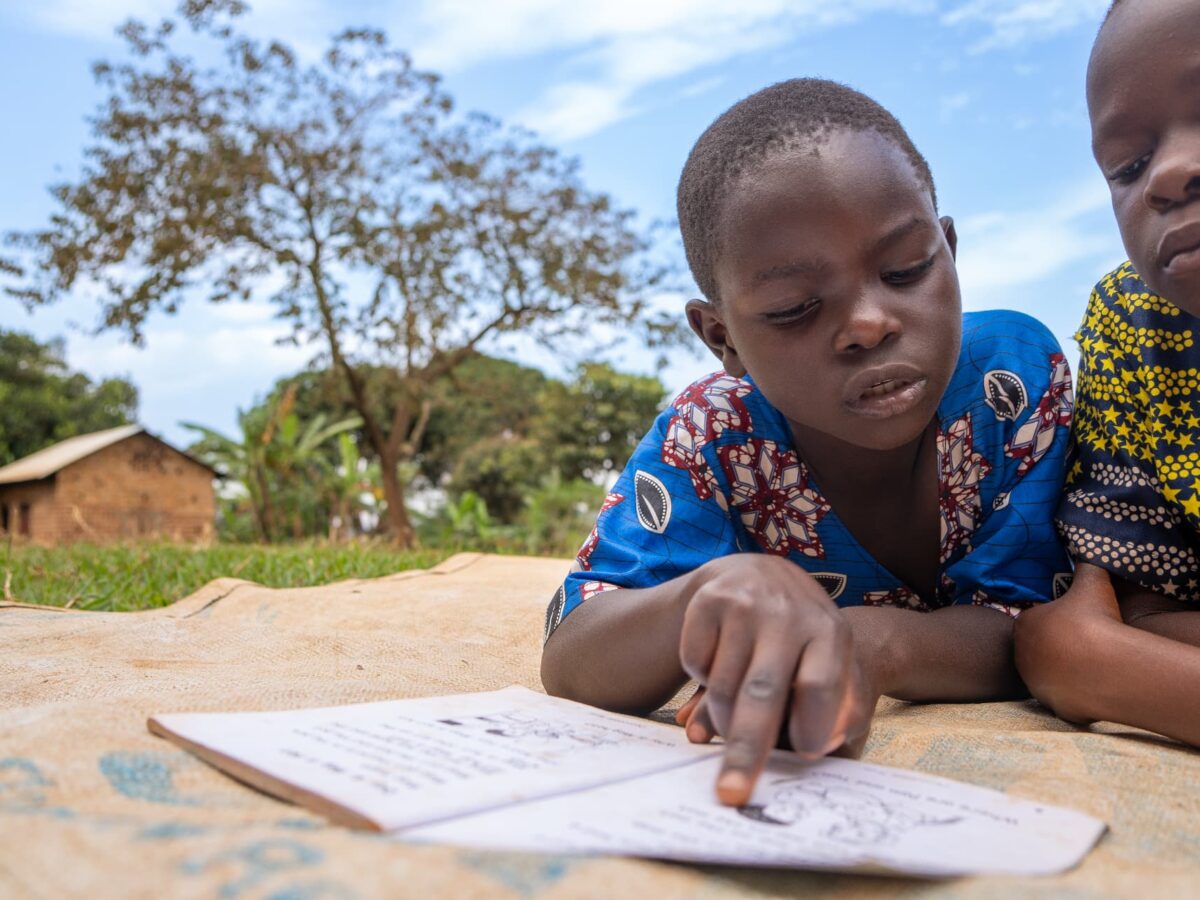
One problem underlies much of the rest: learning poverty.
Nine in ten children in low-income countries can’t read with comprehension by age 10
The reality:
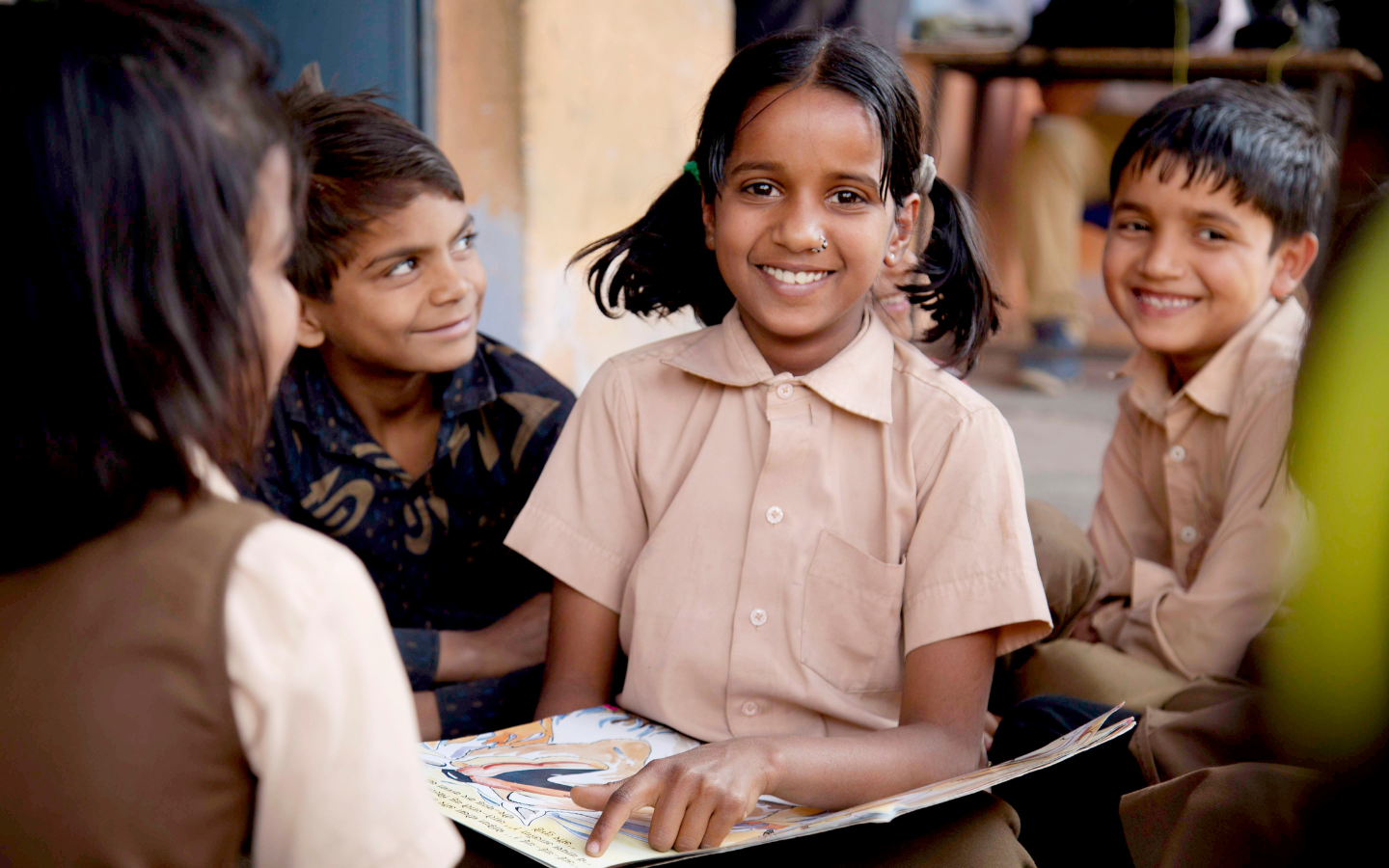
Learning poverty is the share of children who can’t read and understand a simple text by age 10. It captures both children who never make it to school and those who are enrolled in school but not learning. It is concentrated in Sub-Saharan Africa, where an estimated 89% of children are learning poor, and in South Asia, and it is sharpest among the poorest children, rural children and girls.
The funding gap:
Low- and lower-middle-income countries are $97 billion a year short of what they need to give every child an inclusive, quality education by 2030, the global goal known as Sustainable Development Goal 4. Official aid covered about $12.2 billion of that in 2024 and is projected to fall to $9.2 billion by 2027; private philanthropy adds about $1 billion a year. Meanwhile, governments in low-income countries spend an average of $55 per child per year on education, compared with $8,532 in high-income countries.
Low-income countries
High-income countries
Why children aren’t learning
Learning poverty has two main causes.
Cause 01
Cause 1: Children out of school
Many children never get the chance to learn: they aren’t in school at all
The reality:
Primary school enrollment has risen since 2000, but because of their large child populations, Sub-Saharan Africa and South Asia still account for 75% of the world’s out-of-school children. Girls are hit hardest: in fragile and conflict-affected settings, they are 2.5 times more likely to be out of school, and in low-income countries only 38% complete secondary school, compared with 43% of boys.
Examples of what’s proven to work:
Cause 02
Cause 2: In school, but not learning
Most children are enrolled in primary school, yet leave without foundational reading skills
The reality:
In most countries across both regions, primary enrollment is relatively high. For enrolled children, the core challenge is that school systems aren’t turning time in the classroom into learning.
Examples of what’s proven to work:
How you can help
Education Fund
The Education Fund supports our recommended charities working on learning poverty and other education challenges in extreme poverty, such as providing school meals and building life skills for children and adolescents. One gift is shared across the whole portfolio.
Livelihoods
Without a stable income, every other need is harder to meet
Measured by income, 838 million people lived below $3 a day in 2022: two-thirds in Sub-Saharan Africa, around 80% in rural areas.
Three problems stand out.
When crisis hits, most of the extreme poor have no safety net
The reality:
Most people in extreme poverty have little or no social protection (97% in Sub-Saharan Africa and 79% in South Asia), leaving families exposed to shocks like poor harvests and extreme weather. Roughly half are ultra-poor: even spending at least 80% of their income on food, they can’t meet 80% of their calorie needs. Many are landless and left out of development programs.
The funding gap:
Aid to living standards (cooking fuel, sanitation, water, electricity, housing and assets) fell from about $14 billion in 2022 to $12.5 billion in 2023. Philanthropy adds about $114 million a year to social protection.
Examples of what’s proven to work:
Smallholder farmers feed the region, yet remain poor
The reality:
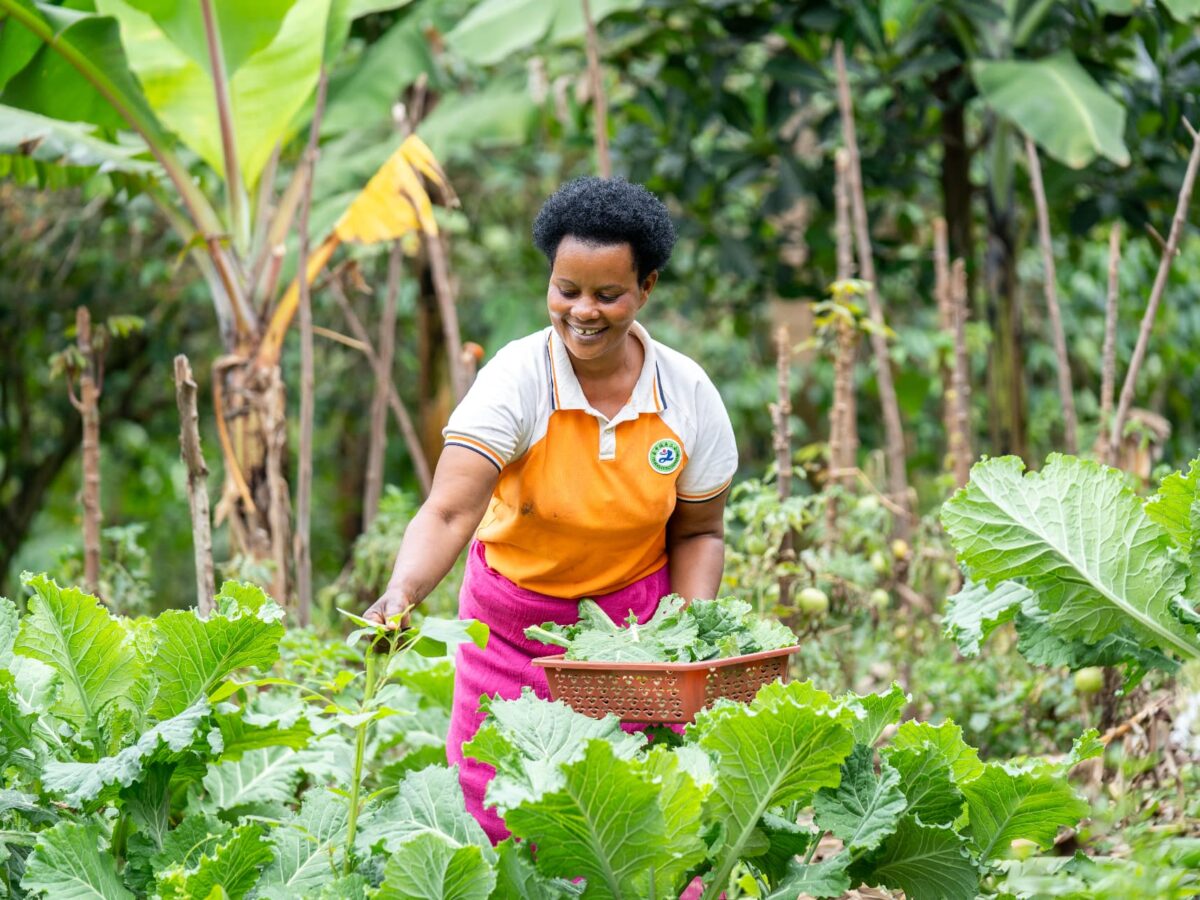
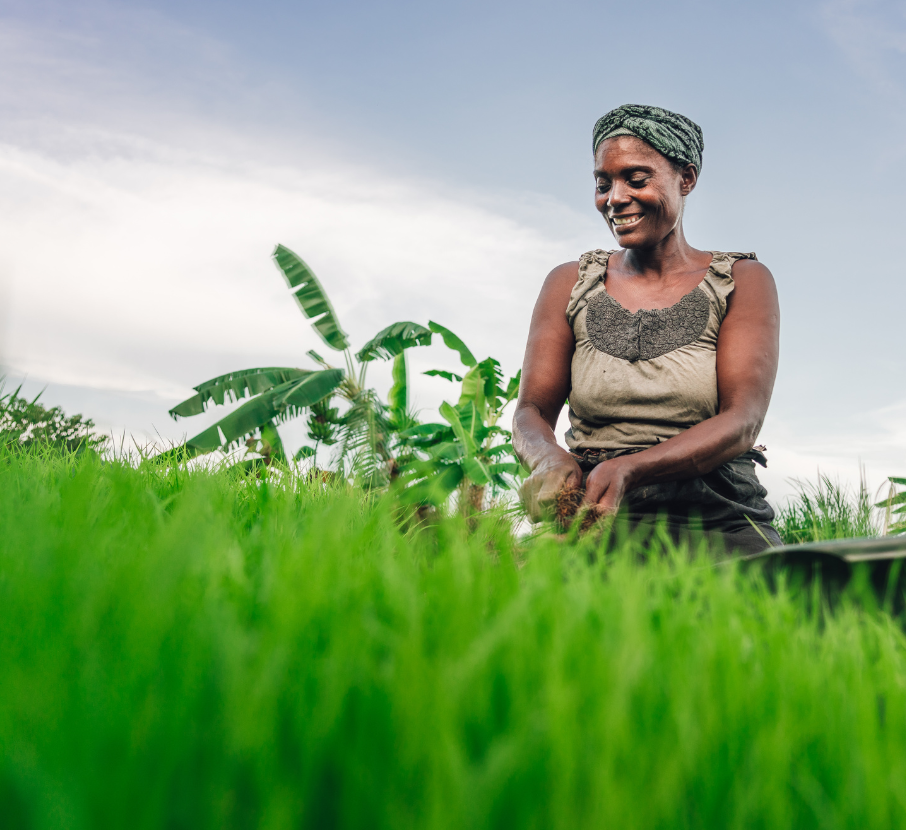
Sub-Saharan Africa’s 50 to 55 million smallholder households produce up to 80% of its food, mostly on less than a hectare each. Most farm without quality seeds, fertilizer or any agricultural training. And when they harvest, many have no way to sell their crops in markets that pay full market value.
The funding gap:
Ending hunger and doubling smallholder incomes would take an extra $33 billion a year, $21 billion in Africa. Sub-Saharan African governments spend about $5.7 billion a year on agriculture, forestry and fishing; the World Bank finances about $4.5 billion worldwide; philanthropy gives about $20 million to farmer training, inputs and services.
Examples of what’s proven to work:
Losing your sight can mean losing your livelihood
The reality:
At least 1 billion people have preventable or treatable vision loss. Rates in low- and middle-income countries are up to four times higher than in high-income countries: 90% of people with impaired vision live in developing countries, and nearly two-thirds of the global burden falls in South, Southeast and East Asia and Oceania. Moderate to severe vision loss cuts employment by about 30%.
The funding gap:
Clearing the backlog of cataracts and uncorrected vision would cost about $14.3 billion. Aid and philanthropy provide about $102 million a year, 0.06% of all development assistance.
Examples of what’s proven to work:
Across 21 studies in low- and middle-income countries, glasses and cataract surgery generated a median of about $36 in economic benefits for every $1 spent, mainly through higher productivity and income.
How you can help
Livelihoods Fund
The Livelihoods Fund supports our recommended charities working on the problems above and others that keep families from lasting economic security, such as business mentoring and access to safe water. One gift is shared across the whole portfolio.
Women and Girls
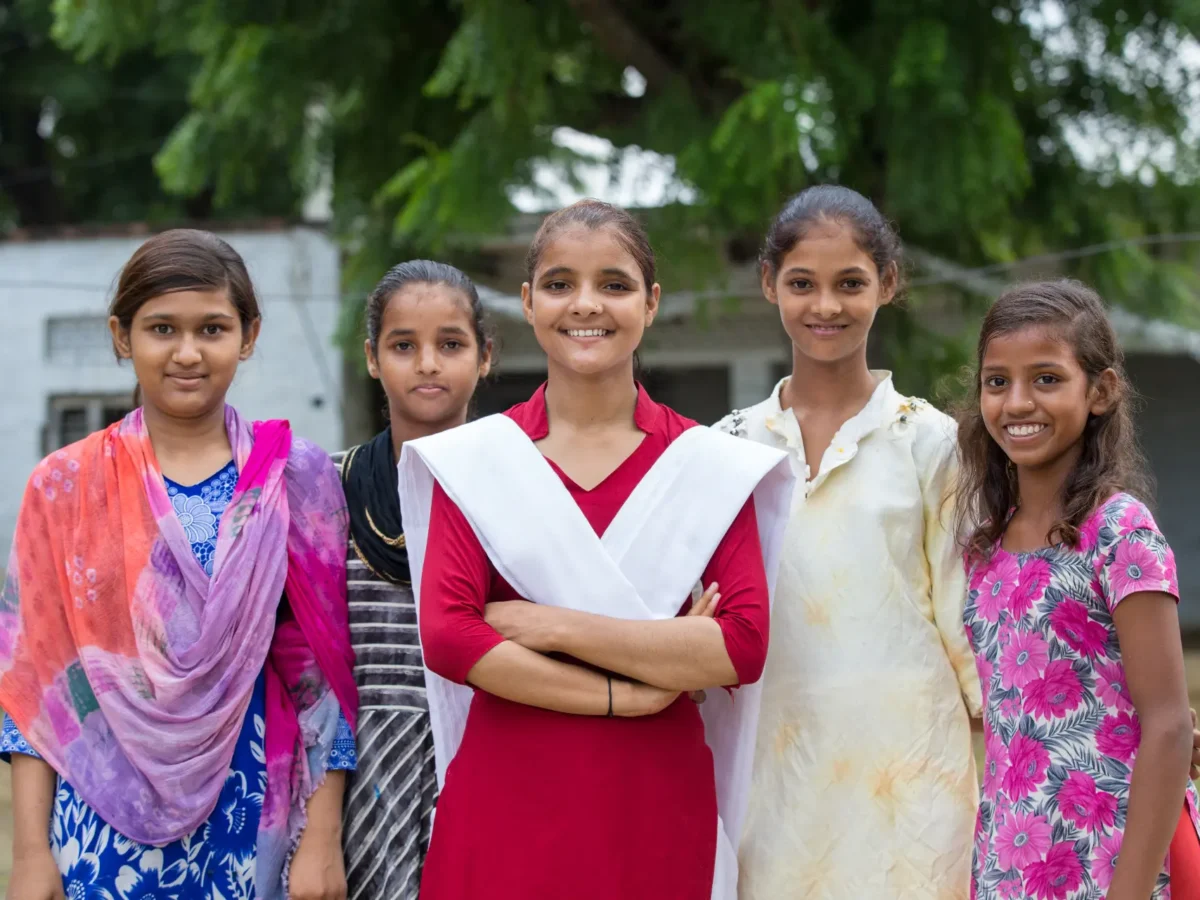
Poverty weighs heaviest on women and girls
Across health, education and livelihoods, women and girls carry more of poverty’s burden. A common thread runs underneath: norms that devalue women and girls, making violence acceptable, keeping girls out of school, pushing early marriage and limiting access to care.
Two problems rank among the most pressing:
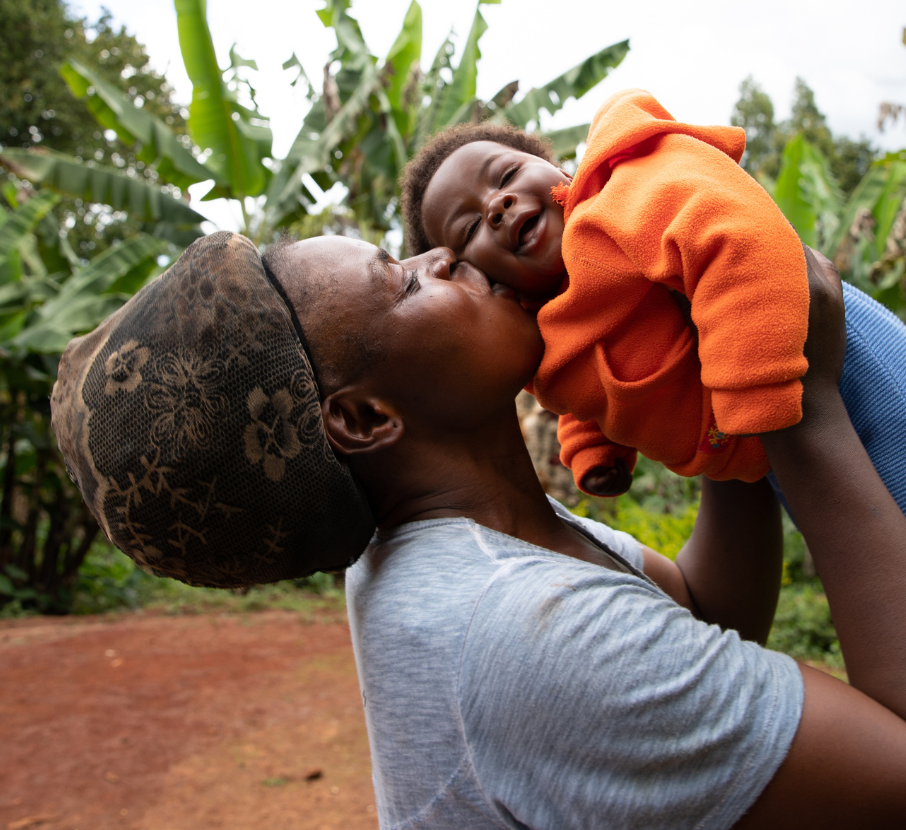
Women and girls are more likely to live in extreme poverty
The reality:
Sub-Saharan Africa is home to 74% of the world’s extremely poor women, and it is the only region where women’s extreme poverty hasn’t fallen in a decade. In South Asia, girls and young women aged 10 to 24 are 26% more likely than their male peers to be extremely poor. The gap runs through our other areas: early marriage keeps girls out of school, and about 287,000 women die each year from complications of pregnancy and childbirth.
The funding gap:
Gender-focused funding makes up 8% of private philanthropy for development ($5.3 billion over 2020 to 2023), but just 2% of aid ($14 billion). Most of the philanthropic share goes to reproductive health.
Examples of what’s proven to work:
Violence against women is widespread, and mostly hidden
The reality:
Worldwide, about 736 million women, nearly 1 in 3 aged 15 and over, have experienced physical or sexual violence. In Sub-Saharan Africa, 26% of women have experienced violence from a partner, and more than 79 million girls and women were raped or sexually assaulted before age 18. Between 55% and 95% of survivors never tell anyone or seek help.
The funding gap:
Only about 1% of gender-related aid reaches local women’s rights organizations.
Examples of what’s proven to work:
How you can help
Women and Girls Fund
The Women and Girls Fund supports our recommended charities working on the problems above and others women and girls face in extreme poverty, such as access to family planning and surgery for obstetric fistula. One gift is shared across the whole portfolio.
One gift, the whole picture
The Maximize Your Impact Fund
Maximize Your Impact Fund
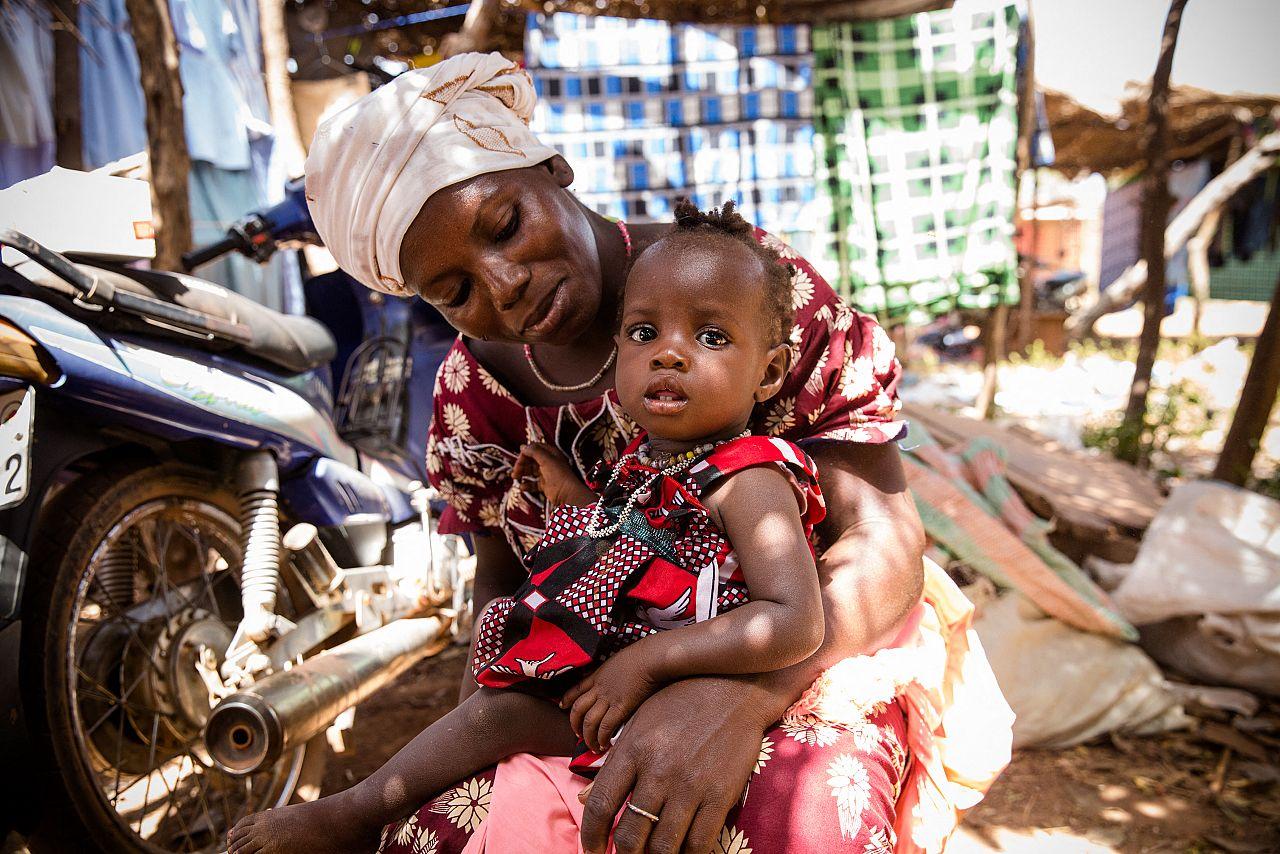
The Maximize Your Impact Fund addresses all dimensions of poverty, including education, health, and living standards, and also accounts for the disparities women and girls experience when living in extreme poverty.